About Us
About Us
Handloom weavers development society
Headquartered in Balaramapuram, Kerala (Southern India), the Handloom Weavers Development Society (HLWDS) is a non-governmental organization dedicated to improving the lives of deprived, marginalized, and economically vulnerable handloom weaving communities in Kerala. Our mission is to create sustainable livelihood opportunities while preserving the rich heritage of traditional handloom weaving. Across India, many handloom weavers continue to face severe economic hardship, earning wages that are often below the statutory minimum wage.
For the past 35 years, HLWDS has implemented livelihood development initiatives focused on skill enhancement, training, market access, and value-added techniques such as ayurvedic dyeing and embroidery. Through these structured interventions, program participants are able to earn up to ₹800 per day—more than double the income of non-HLWDS weavers. In addition to economic empowerment, HLWDS actively addresses gender inequality through women empowerment programs. These initiatives help women weavers become financially independent, reduce exploitation by middlemen or master weavers, and break long-standing cycles of debt. For detailed information about our initiatives, please visit the Programmes section of our website.
Our Vision
To create a flourishing handloom weaving industry that preserves India’s cultural heritage while ensuring a dignified livelihood for weaver families. We envision integrating traditional craftsmanship with Ayurvedic herbal dyeing techniques, positioning handloom textiles as wellness-oriented products that promote holistic living while strengthening the socio-economic stability of weaving communities.
Our Mission
To provide sustainable employment to weaver families in Kerala by supplying looms, training, and market access, while promoting Ayurvedic dyeing and eco-friendly production methods. Through innovation and traditional knowledge, we aim to enhance incomes, empower women, and preserve both handloom and Ayurvedic heritage.
Our Journey
1989 – A Beginning with Purpose
The Handloom Weavers Development Society (HLWDS) was founded in 1989 by twenty-four young weavers from Balaramapuram, Kerala. Their vision was to protect traditional handloom livelihoods from the rising challenges of power looms, unfair labor systems, and global competition. What began as a small collective soon became a movement to restore dignity and create sustainable opportunities for weavers.
1994 – Building Communities
In 1994, HLWDS initiated 30 Livelihood and Self-Help Groups (SHGs), laying the foundation for a strong community-based development model. These groups focused on financial inclusion, women’s empowerment, occupational health, and the prevention of child labor.
Late 1990s–Early 2000s – Skill & Product Expansion
As the organization evolved, HLWDS expanded into product diversification and skill development. Weavers were trained in advanced handloom techniques such as block printing, batik, tie-dye, kalamkari, and Ayurvedic herbal dyeing—blending traditional craftsmanship with innovation.
2004–2005 – Strengthening Infrastructure
A major milestone came in 2004 with support from the Government of India, when HLWDS established a modern Ayurvedic Dye House in Balaramapuram. In 2005, further assistance enabled the creation of a Common Facility Centre for Ayurvedic dyeing and standardization, strengthening quality, consistency, and the integration of traditional knowledge with modern production practices.
2010–2018 – Reaching Wider Markets
During this period, HLWDS focused on improving product quality, design innovation, and market access. Participation in exhibitions, collaborations, and growing awareness of eco-friendly textiles helped bring Balaramapuram handloom products to a wider national and international audience.
2019–2022 – Sustainability & Resilience
With increasing global awareness of sustainable living, HLWDS strengthened its focus on eco-friendly production methods, particularly Ayurvedic dyeing. Despite challenges during global disruptions, the organization adapted by exploring new sales channels and supporting weavers’ livelihoods during uncertain times.
2023–2025 – A Future Rooted in Tradition
HLWDS continues to grow as a symbol of sustainable craftsmanship and community empowerment—embracing digital platforms, expanding global reach, and staying committed to ethical, eco-conscious production. By connecting tradition with modern markets, the organization works to preserve heritage and support artisans. HLWDS also conducts workshops for visitors, sharing the art of handloom weaving and Ayurvedic dyeing while promoting sustainable living.
Our History
The Handloom Weavers Development Society (HLWDS) was established in 1989 by 24 young weavers from the Balaramapuram region of Thiruvananthapuram, Kerala, in response to the growing challenges faced by the handloom sector due to power looms, sweatshop manufacturing, and global competition.
In 1994, HLWDS formed 30 Self-Help Groups (SHGs) to support weavers through savings, credit, and collective action. These SHGs also address social issues such as occupational health, child labour, and women’s empowerment. Today, 731 SHGs across 58 villages operate under the guidance of HLWDS.
With support from a five-year Ford Foundation grant, HLWDS expanded into diversified handloom production through training in new designs, block printing, batik, tie-and-dye, kalamkari, and Ayurvedic dyeing.
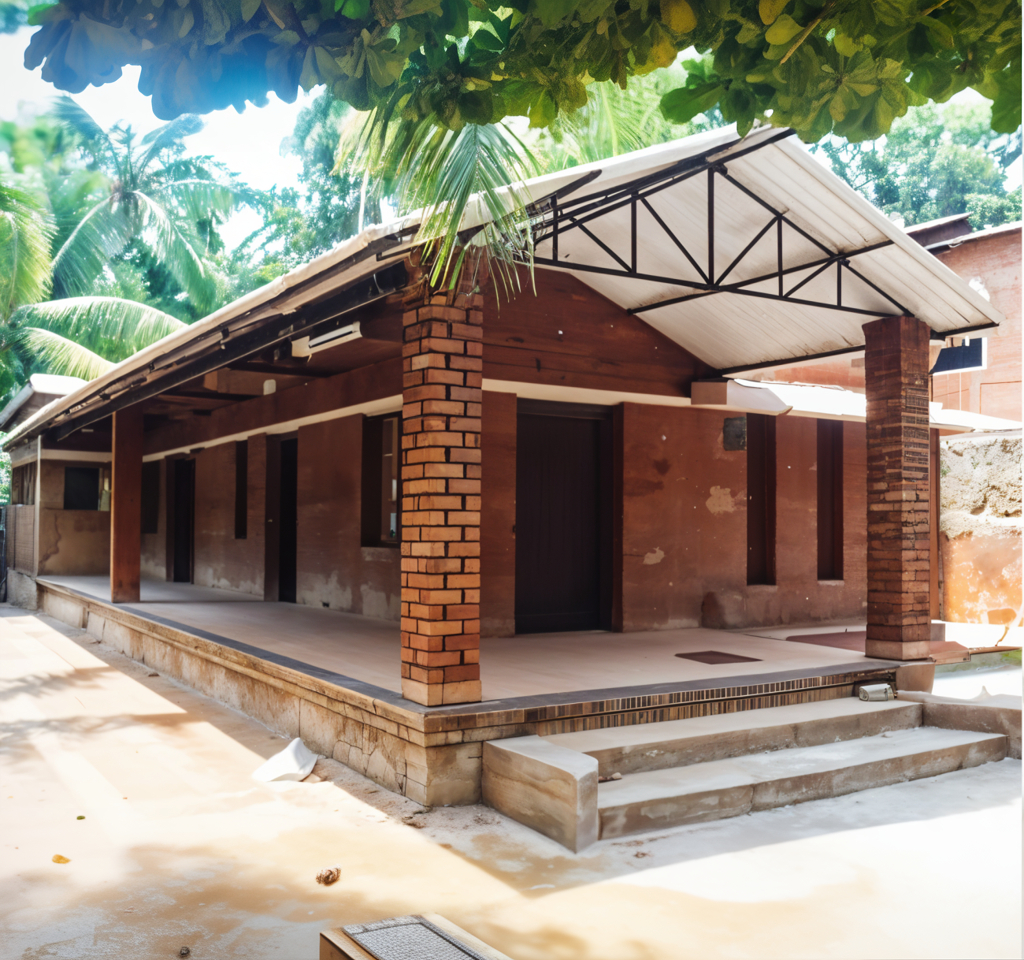
A major milestone came in 2004 with the establishment of an Ayurvedic Dye House in Balaramapuram, supported by the Government of Japan and inaugurated by Mr. Riyozu Kikuchi, Consul General of Japan. In 2005, the Government of India further supported HLWDS by funding a Common Facility Centre to standardise Ayurvedic dyeing in handloom textiles.
Our Certifications & Recognition
Handloom weaver development society
Our commitment to quality, authenticity, and ethical handloom production is recognized through various certifications and industry acknowledgements.
These certifications ensure our products meet the highest standards of craftsmanship, sustainability, and genuine handloom heritage.
Verified Quality
Trusted Craftsmanship
Clinical Certificate
Our Ayurvedic Cloth is supported by a government-sanctioned clinical research study conducted under the Department of Dravyagunavijnanam at Government Ayurveda College, Thiruvananthapuram, Kerala, India. The research project, titled “Ayurvastra – Clinical Effectiveness Experiment,” was officially approved by the Government of Kerala and funded under the Additional Central Assistance Scheme of the Planning Commission, Government of India.
The study was carried out under institutional supervision using the outpatient and inpatient facilities of the Government Ayurveda College Hospital in collaboration with the Handloom Weavers Development Society (HLWDS), Balaramapuram, from 22 August 2006 to 30 November 2008. This certification confirms that the research was conducted as a bona fide clinical study and was independently undertaken under recognized academic and medical authority.
Azo Free Certificate
Our fabrics have been independently tested by SGS India Pvt Ltd, a globally recognized inspection and certification body. The test report (No. CHNSL260008629, dated 20 February 2026) confirms that our woven fabric sample has successfully passed Azo Dye testing in accordance with ISO 14362-1:2017 standards.
The results verify that no restricted hazardous amines were detected, demonstrating our commitment to safety, compliance, and international quality standards.
Global Organic Textile Standard (GOTS)
Our fabrics are certified under the Global Organic Textile Standard (GOTS), ensuring that they are produced using certified organic fibers and processed in accordance with strict environmental and social responsibility standards. This certification reflects our commitment to sustainability, chemical safety, and ethical production practices across the entire textile value chain.
Design Stories -Every Thread Tells a Tale
Frequently Asked Questions
What is Ayurvedic Cloth?
Medicinal Cloth is a traditional handloom fabric dyed using medicinal herbs. HLWDS has revived this ancient practice using herbal dyes inspired by Ayurveda.
How is Ayurvedic Cloth related to Ayurveda?
Ayurvedic Cloth follows Ayurvedic principles by using herbal dyes that interact with the skin through regular use.
Is Ayurvedic Cloth an ancient tradition or a.
It is an ancient tradition practiced in Kerala over 5,000 years ago and revived by HLWDS.
Why should I buy Ayurvedic Cloth products?
Ayurvedic Cloth products are natural, handloomed, and eco-friendly, supporting traditional artisans and sustainable livelihoods.
Which medical conditions can Ayurvedic Cloth help improve?
Ayurvedic Cloth is traditionally associated with skin comfort, joint care, and overall well-being.
Does Ayurvedic Cloth really work?
Studies conducted by the Government Ayurveda College, Thiruvananthapuram, have shown encouraging results, especially for skin and joint-related conditions.
How does it work?
The skin can absorb herbal properties from natural dyes, similar to how it absorbs substances from the environment.
Are you the only manufacturers of Ayurvedic Cloth?
Yes, HLWDS is currently the only manufacturer of Medicinal Cloth.
What kinds of products do you manufacture?
We produce sarees, dhotis, bedsheets, shawls, garments, curtains, towels, and coir mats.
Can Ayurvedic Cloth cause allergies?
So far, no allergic reactions have been reported.
How long does it take to weave a.
A sari takes about 16 hours to weave, while a bedsheet takes around 4 hours.
What is the Internal Learning System (ILS)?
ILS is a participatory system used by HLWDS to assess impact, learning, and progress of its members.
What is the average wage of your weavers?
HLWDS weavers earn up to twice the average wage compared to other handloom weavers.
Customer Feedback
Voices from our customers who value tradition, sustainability, and authentic handloom craftsmanship.