Programmes
Saving & Credit
Self Help Groups (SHGs) are the main conduit for the majority of our programming. SHGs are semi-autonomous savings and credit organizations that also function as a support network to address weaving and social issues. HLWDS’ SHGs assist women in becoming independent producers of handloomed products. They assist women weavers in purchasing material supplies, weaving accessories and equipment. They also act as a safety net for participants who may borrow for urgent consumption needs. Through these SHGs women weavers are able to break their exploitative arrangements with master weavers and to end cycles of debt. Currently, we work 731 SHGs in 51 villages.
Weaving Production Assistance
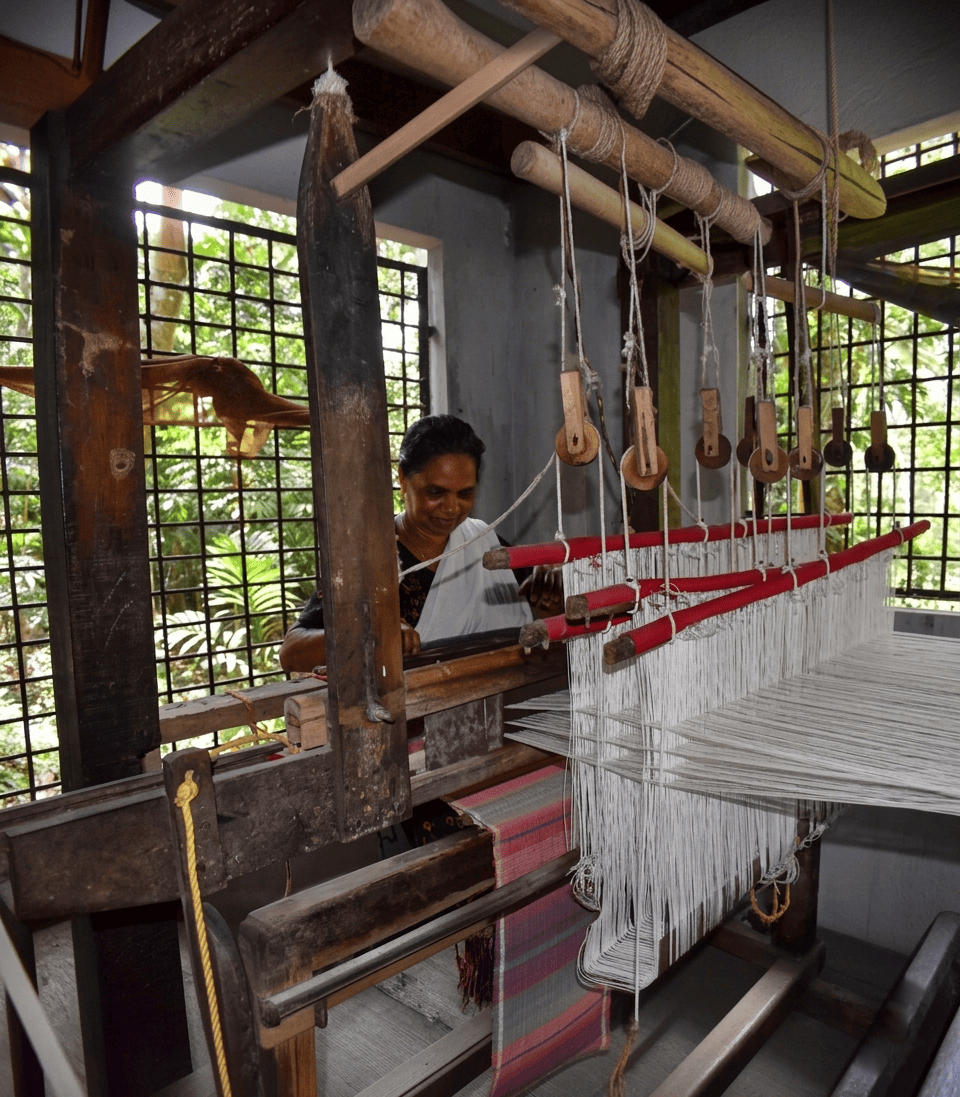
HLWDS works to improve the livelihoods of weavers by providing production assistance aimed at overcoming the obstacles of scarce supplies, shrinking resources, lagging technological improvements and competitive markets (i.e. power loom). We also try to provide alternatives to exploitative supply and marketing arrangements with master weavers and bogus handloom societies. Our production assistance activities include:
Seasonal Inputs Provision
To prevent material supply shortages, HLWDS purchases bulk supplies of threads and inputs from the Government Thread Bank for sale at reasonable prices to local weavers during festival production season.
Equipment / Inputs Loans
Through its savings and credit program HLWDS provides loans for purchase of looms, sewing machines, weaving accessories and inputs. HLWDS assists participants to acquire looms through government programs.
Loom Maintenance
On a consultancy basis, HLWDS connects master weavers and loom repairers with weavers experiencing trouble with the functioning of looms.
Product Diversification Training
HLWDS provides training assistance to handloom weavers from various parts of the state. We provide training in ayurvedic dyeing, block printing, weaving, tie and dye, embroidery and designs.
Handloom Sector Issues
Occupational Health Hazards
HLWDS works to reduce occupational health hazards and injuries among weavers and their families. It is far too common for weavers to suffer from a variety of occupational health hazards including respiratory ailments from breathing in particulate dust in poorly ventilated workspaces and repetitive motion injuries that leave many weavers disabled. Through ILS, we have documented these health problems and presented them to government officials in an effort to raise awareness of the plight of the weavers. Currently, HLWDS conducts health training around issues of occupational diseases (respiratory illness and repetitive motion injury).
Education and Child Labor
Through ILS, the HLWDS learned that there were high levels of child labor and overall low levels of education among HLWDS members. To address these problems, HLWDS established day cares centers, non-formal education programs for adults and children, vocational training, and cultural programmes that aim to decrease child labor and increase the level of education among weaving families.
Gender Equity
HLWDS also works with gender equity issues by raising awareness, supporting advocacy efforts, and training leaders to address gender bias and discrimination issues. Our gender work is primarily facilitated through SHGs.
Saving & Credit
Self Help Groups (SHGs) are the main conduit for the majority of our programming. SHGs are semi-autonomous savings and credit organizations that also function as a support network to address weaving and social issues. HLWDS’ SHGs assist women in becoming independent producers of handloomed products. They assist women weavers in purchasing material supplies, weaving accessories and equipment. They also act as a safety net for participants who may borrow for urgent consumption needs. Through these SHGs women weavers are able to break their exploitative arrangements with master weavers and to end cycles of debt. Currently, we work 731 SHGs in 51 villages.
Addressing Handloom Sector Issues
Occupational Health Hazards
HLWDS works to reduce occupational health hazards and injuries among weavers and their families. It is far too common for weavers to suffer from a variety of occupational health hazards including respiratory ailments from breathing in particulate dust in poorly ventilated workspaces and repetitive motion injuries that leave many weavers disabled. Through ILS, we have documented these health problems and presented them to government officials in an effort to raise awareness of the plight of the weavers. Currently, HLWDS conducts health training around issues of occupational diseases (respiratory illness and repetitive motion injury).
Education and Child Labor
Through ILS, the HLWDS learned that there were high levels of child labor and overall low levels of education among HLWDS members. To address these problems, HLWDS established day cares centers, non-formal education programs for adults and children, vocational training, and cultural programmes that aim to decrease child labor and increase the level of education among weaving families.
Gender Equity
HLWDS also works with gender equity issues by raising awareness, supporting advocacy efforts, and training leaders to address gender bias and discrimination issues. Our gender work is primarily facilitated through SHGs.
Handloom Sector Issues
Occupational Health Hazards
HLWDS works to reduce occupational health hazards and injuries among weavers and their families. These include respiratory ailments from breathing particulate dust in poorly ventilated workspaces and repetitive motion injuries that leave many weavers disabled.
Through awareness and training programs, HLWDS aims to bring attention to these issues and improve working conditions across the sector.
Education and Child Labor
HLWDS addresses the challenges of child labor and limited access to education in weaving communities. Initiatives include establishing daycare centers, promoting formal education, and running vocational training programs.
Gender Equity
HLWDS also promotes gender equality through awareness programs, advocacy, and training initiatives aimed at addressing discrimination and empowering women in the handloom sector.
Weaving Production Assistance
HLWDS works to improve the livelihoods of weavers by providing production assistance aimed at overcoming the obstacles of scarce supplies, shrinking resources, lagging technological improvements and competitive markets (i.e. power loom). We also try to provide alternatives to exploitative supply and marketing arrangements with master weavers and bogus handloom societies. Our production assistance activities include:
Seasonal Inputs Provision
To prevent material supply shortages, HLWDS purchases bulk supplies of threads and inputs from the Government Thread Bank for sale at reasonable prices to local weavers during festival production season.
Equipment / Inputs Loans
Through its savings and credit program HLWDS provides loans for purchase of looms, sewing machines, weaving accessories and inputs. HLWDS assists participants to acquire looms through government programs.
Loom Maintenance
On a consultancy basis, HLWDS connects master weavers and loom repairers with weavers experiencing trouble with the functioning of looms.
Product Diversification Training
HLWDS provides training assistance to handloom weavers from various parts of the state. We provide training in ayurvedic dyeing, block printing, weaving, tie and dye, embroidery and designs.
Seasonal Inputs Provision
To prevent material supply shortages, HLWDS purchases bulk supplies of threads and inputs from the Government Thread Bank for sale at reasonable prices to local weavers during festival production season.
Equipment /Inputs Loans
Through its savings and credit program HLWDS provides loans for purchase of looms, spinning wheels, weaving accessories and inputs. HLWDS assists participants to acquire looms through government programs.
Loom Maintenance
On a consultancy basis, HLWDS connects master weavers and loom repairers with weavers experiencing trouble with the functioning of looms.
Product Diversification Training
HLWDS provides training assistance to handloom weavers from various parts of the state. We provide training in ayurvedic dyeing, block printing, weaving, tie and die, embroidery and design.
Marketing
HLWDS purchases output from weavers at a fair price and sells in their retail showroom and at exhibitions. We also plan to sell weavers’ product to private retailers charging a small fee to producers for the marketing service. We also provide training assistance on marketing techniques. HLWDS undertakes the marketing of experimental products including Medicinal Cloth.
Research and Documentation
Research and documentation activities have been continually carried out over the past 13 years despite the fact that HLWDS only acquired its first computer in May of 2000. These activities are essential to keep abreast of changes in the handloom sector and to strengthen our programmes and advocacy efforts.
The core of our research activities includes gathering information on medicinal plants and their cultivation. Through our research we have developed 150 new ayurvedic dyes. Our findings are housed in our resource library, which is fully accessible to our members.
Our documentation activities are essential to our programmes. They largely center around gathering information about the conditions prevailing in the handloom sector. We also document technological innovation in the sector.
Ayurvedic Clothing
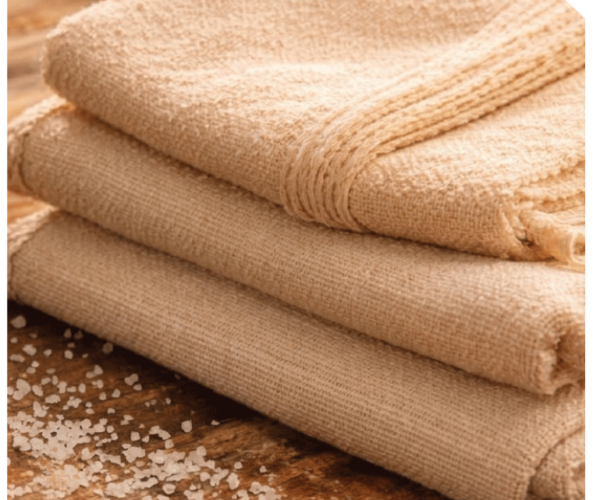
Handloom Weavers Development Society (HLWDS) began to do ayurvedic dyeing on fabric and yarn and developed Medicinal Cloth brand of Ayurvedic handloom materials like shirts, Mundus, Churidars, Saris, Bed sheets, Shawls, etc. These products were developed based on our age old ethnic knowledge and traditional ayurvedic dyeing technology, which we have gained from our ancestors like Sir C.R Ayyappan Vaidyan, Neelakandan Vaidyan and Damodaran Vaidyan.
Medicinal Cloth brand of Ayurvedic handloom dress materials for different diseases are developed using specific medicinal plants for dyeing the clothes. From the research results obtained from the experiment, which has been conducted in Ayurvedic College, Trivandrum shows very encouraging results as patient underwent this treatment technique benefited immensely and experienced an early curing process. There are special cloth kit for rheumatism, blood pressure, diabetic, psoriasis, Itch, Asthma, reducing obesity and also the ayurvedic clothes for giving mental pleasure and reducing tension.
Research and Documentation
Research and documentation activities have been continually carried out over the past 13 years despite the fact that HLWDS only acquired its first computer in May of 2000. These activities are essential to keep abreast of changes in the handloom sector and to strengthen our programmes and advocacy efforts.
The core of our research activities includes gathering information on medicinal plants and their cultivation. Through our research we have developed 150 new ayurvedic dyes. Our findings are housed in our resource library, which is fully accessible to our members.
Our documentation activities are essential to our programmes. They largely center around gathering information about the conditions prevailing in the handloom sector. We also document technological innovation in the sector.
Ayurvedic Clothing
Handloom Weavers Development Society (HLWDS) began to do ayurvedic dyeing on fabric and yarn and developed Medicinal Cloth brand of Ayurvedic handloom materials like shirts, Mundus, Churidars, Saris, Bed sheets, Shawls, etc. These products were developed based on our age old ethnic knowledge and traditional ayurvedic dyeing technology, which we have gained from our ancestors like Sir C.R Ayyappan Vaidyan, Neelakandan Vaidyan and Damodaran Vaidyan.
Medicinal Cloth brand of Ayurvedic handloom dress materials for different diseases are developed using specific medicinal plants for dyeing the clothes. From the research results obtained from the experiment, which has been conducted in Ayurvedic College, Trivandrum shows very encouraging results as patient underwent this treatment technique benefited immensely and experienced an early curing process. There are special cloth kit for rheumatism, blood pressure, diabetic, psoriasis, Itch, Asthma, reducing obesity and also the ayurvedic clothes for giving mental pleasure and reducing tension.
