Our Process
How Ayurvedic Cloth Works
Ayurvedic cloth is based on the ancient principle that the skin, the body’s largest organ, can absorb beneficial natural elements through direct contact. When fabric infused with organic herbs and medicinal plant extracts touches the skin, it gently transfers these herbal properties to the body. This continuous interaction helps support the skin’s natural defense system, enhances overall well-being, and promotes a balanced lifestyle. The herbal infusion works in harmony with the body, helping it naturally release toxins while supporting healthy metabolic function. Unlike conventional textiles, Ayurvedic cloth goes beyond aesthetics—it combines natural healing, skin-friendly comfort, and sustainable luxury, offering a unique experience where fashion meets wellness.
We produce two types of Ayurvedic cloth:
- One focused on overall well-being and the other designed to support specific health conditions. The well-being range enhances daily comfort by helping control sweat and odor while providing a natural herbal freshness. It also supports immunity, promotes better sleep, and helps maintain overall balance in the body.
- The therapeutic range is traditionally developed to support the body in managing various conditions, including joint issues like arthritis, skin concerns such as dermatitis and psoriasis, as well as metabolic and lifestyle-related conditions like diabetes, blood pressure, and respiratory issues. By allowing herbal properties to interact gently with the skin, the fabric works in harmony with the body’s natural processes.
What We Make
We create made-to-order Ayurvedic-dyed handloom products, including:
- . Fabric by the meter
- . Sarees and dhotis
- . Bedsheets, fitted sheets, duvet covers
- . Yoga mats and scarves
- . Pregnancy wear and comfort garments
- . Ayurvedic soaps and wellness textiles
- . Ayurvedic Beds
All products are made using Ayurvedic dyeing methods, and custom requests are always welcome. We can also produce small-batch or large-scale orders, while maintaining Ayurvedic dyeing standards.
Ayurvedic Cloth production Process

1.Ayurvedic Pre-treatng & Purification
Our process begins with the gentle purification of organic cotton yarn and fabrics, jute, wool, silk, linen, hemp, or bamboo using traditional, plant-based methods. Natural ingredients such as herbal extracts, milk, and other organic compounds are used to cleanse the fibers without harsh chemicals.
The fabric is:
- Naturally bleached and purified
- Sun-treated to enhance cleanliness and vitality
- Washed in mineral-rich water and natural salts.
This ensures a clean, chemical-free base ready to absorb herbal infusions
2.Herbal Mordanting (Color Fixation Preparation)
To achieve rich, long-lasting colors, the fabric is treated with natural mordants derived from plant sources such as Lodhra bark, Haritaki fruit, and other botanical extracts.
- Plant-based gums are applied to enhance absorption
- Improves color depth and durability
- Prepares the fabric for herbal infusion.
Each blend is carefully curated to support both color performance and wellness benefits.
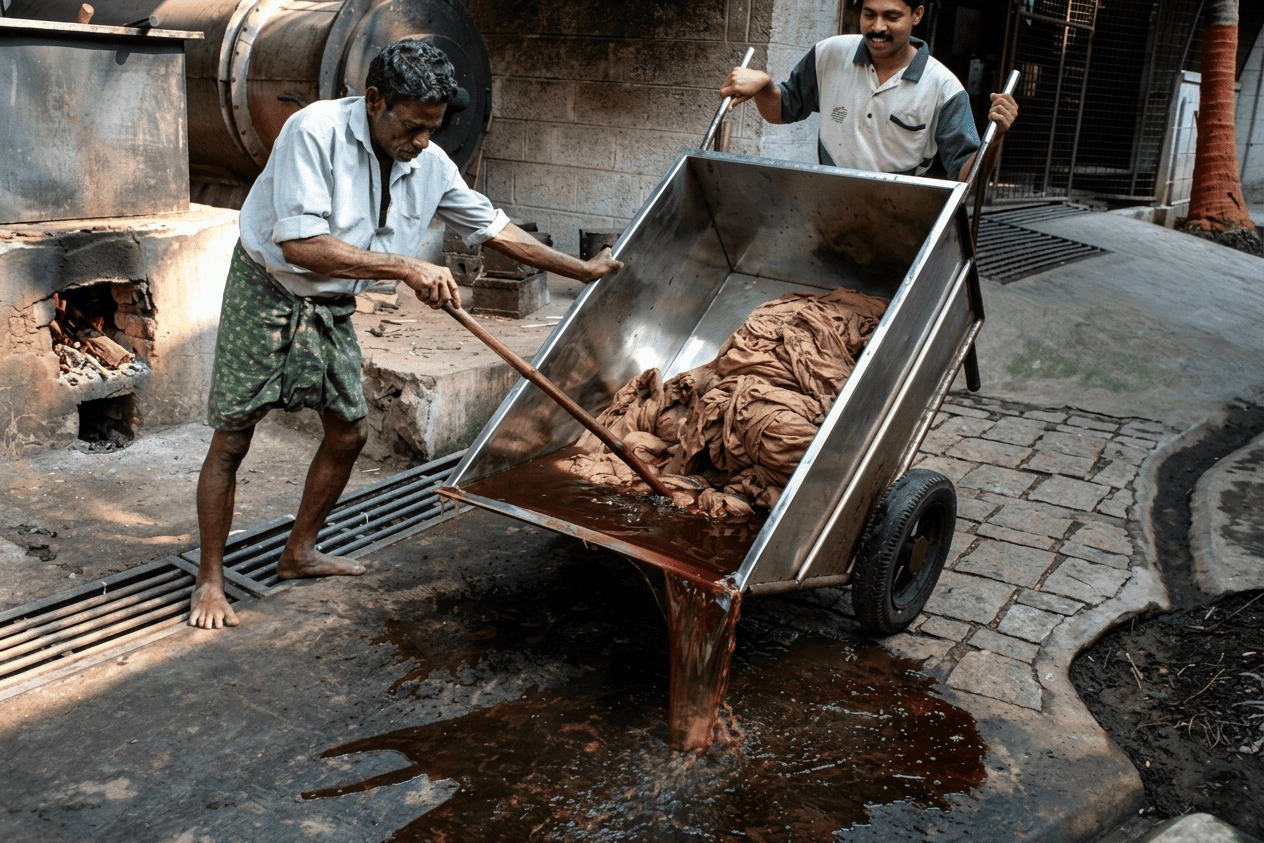
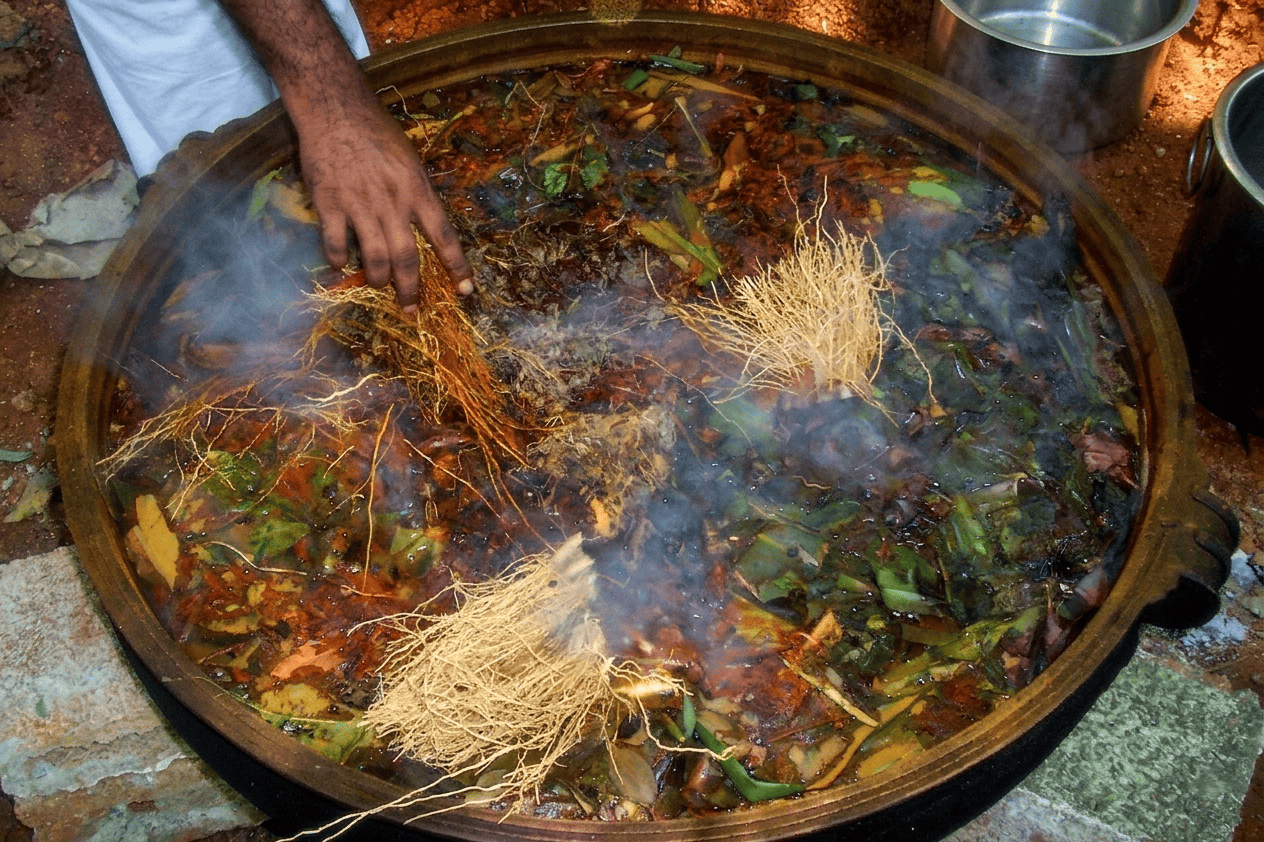
3.Herbal Infusion (Ayurvedic Dyeing)
Unlike conventional textiles, Ayurvedic cloth is not simply dyed—it is medicated using herbal formulations known as Kashayas.
- Infused with 40–60 medicinal herbs, roots, flowers, and barks
- Ingredients include turmeric, neem, hibiscus, and other therapeutic botanicals
- Process is precisely controlled for temperature, duration, and cycles.
These herbal infusions naturally create earthy, elegant shades while embedding the fabric with skin-friendly properties.

4.Controlled Drying
After the dyeing process, the fabric is dried in a shaded environment for about 3 days to gradually evaporate excess moisture without exposure to direct sunlight. It is then transferred to a controlled indoor space and kept for 15 days of seasoning, during which the herbal extract (Kashaya) deeply penetrates and stabilizes within the fabric fibers.
This controlled drying process helps:
- Fix the natural colors effectively
- Preserve the medicinal properties of the herbs
- Prevent degradation caused by direct sunlight.
This step is essential to maintain the integrity and long-lasting benefits of Ayurvedic cloth.

5. Finishing & Conditioning
The fabric is then finished using traditional techniques to enhance softness and durability.- Treated with aloe vera and natural oils
- Hand-stretched and smoothed for texture refinement
- Rested and seasoned for stability.The result is a breathable, skin-friendly textile with a refined natural finish.
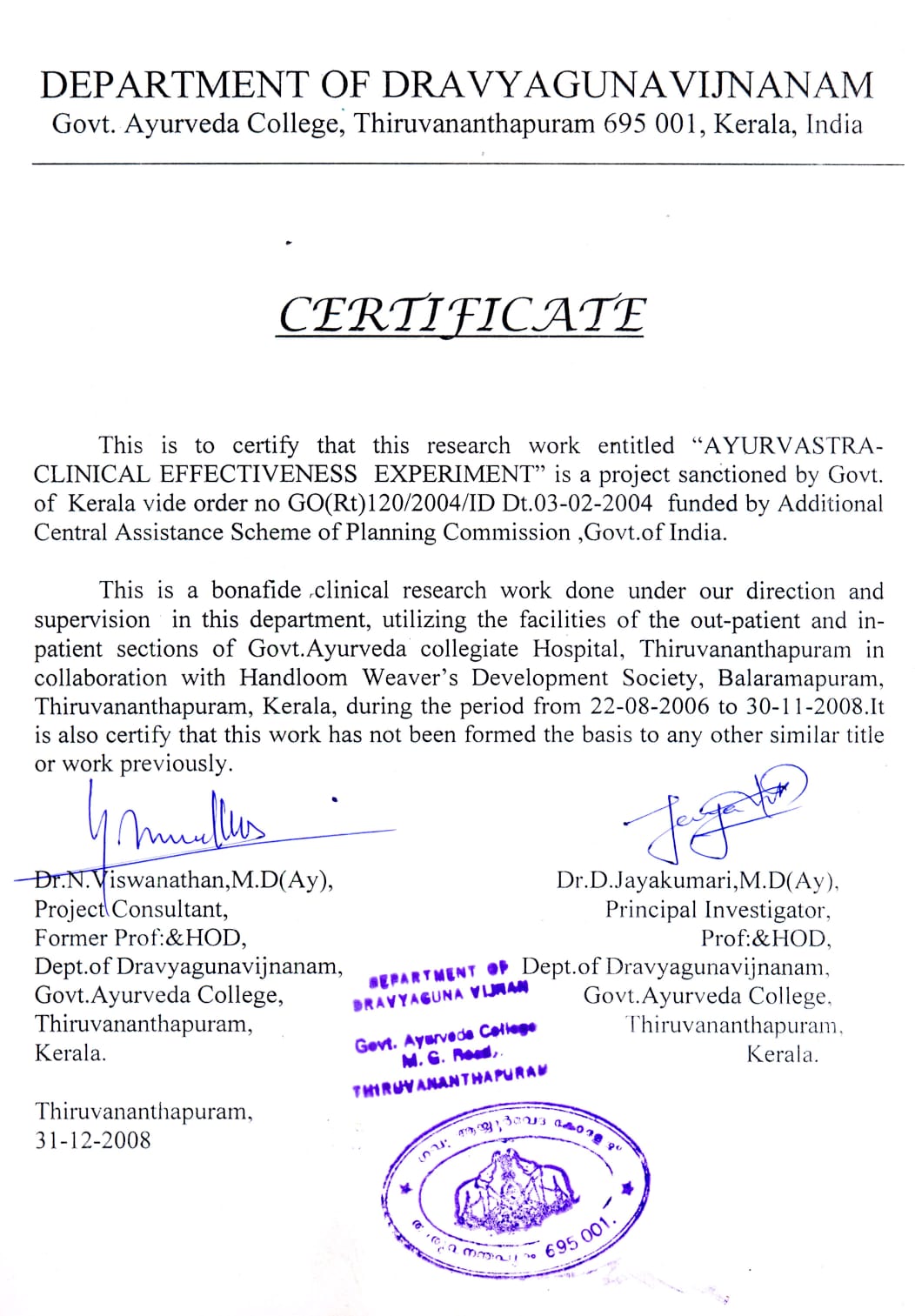
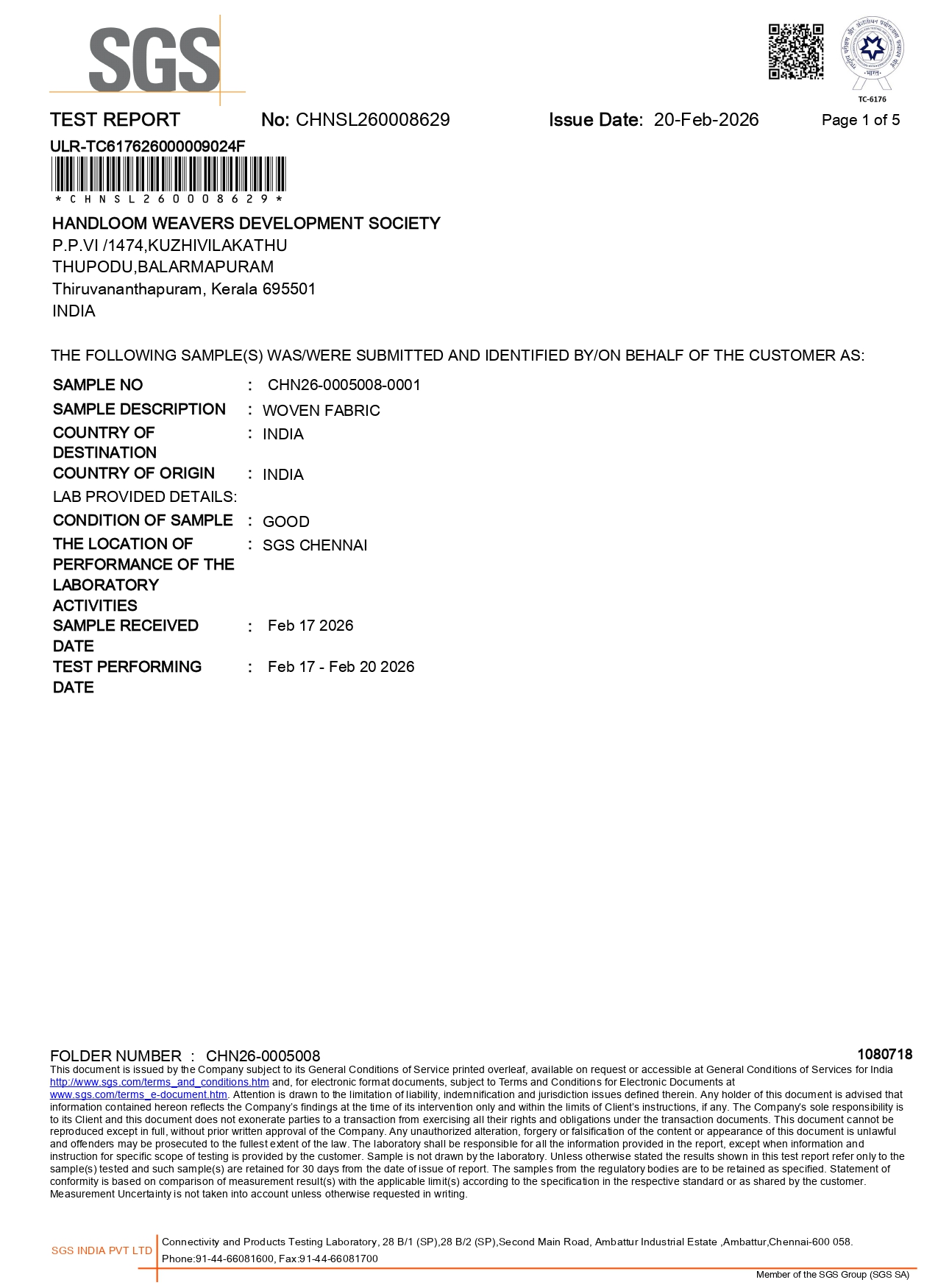
Our Certification & Recogniton
Frequently Asked Questions
What is Ayurvedic Cloth?
Medicinal Cloth is a traditional handloom fabric dyed using medicinal herbs. HLWDS has revived this ancient practice using herbal dyes inspired by Ayurveda.
How is Ayurvedic Cloth related to Ayurveda?
Ayurvedic Cloth follows Ayurvedic principles by using herbal dyes that interact with the skin through regular use.
Is Ayurvedic Cloth an ancient tradition or a.
It is an ancient tradition practiced in Kerala over 5,000 years ago and revived by HLWDS.
Why should I buy Ayurvedic Cloth products?
Ayurvedic Cloth products are natural, handloomed, and eco-friendly, supporting traditional artisans and sustainable livelihoods.
Which medical conditions can Ayurvedic Cloth help improve?
Ayurvedic Cloth is traditionally associated with skin comfort, joint care, and overall well-being.
Does Ayurvedic Cloth really work?
Studies conducted by the Government Ayurveda College, Thiruvananthapuram, have shown encouraging results, especially for skin and joint-related conditions.
How does it work?
The skin can absorb herbal properties from natural dyes, similar to how it absorbs substances from the environment.
Are you the only manufacturers of Ayurvedic Cloth?
Yes, HLWDS is currently the only manufacturer of Medicinal Cloth.
What kinds of products do you manufacture?
We produce sarees, dhotis, bedsheets, shawls, garments, curtains, towels, and coir mats.
Can Ayurvedic Cloth cause allergies?
So far, no allergic reactions have been reported.
How long does it take to weave a.
A sari takes about 16 hours to weave, while a bedsheet takes around 4 hours.
What is the Internal Learning System (ILS)?
ILS is a participatory system used by HLWDS to assess impact, learning, and progress of its members.
What is the average wage of your weavers?
HLWDS weavers earn up to twice the average wage compared to other handloom weavers.